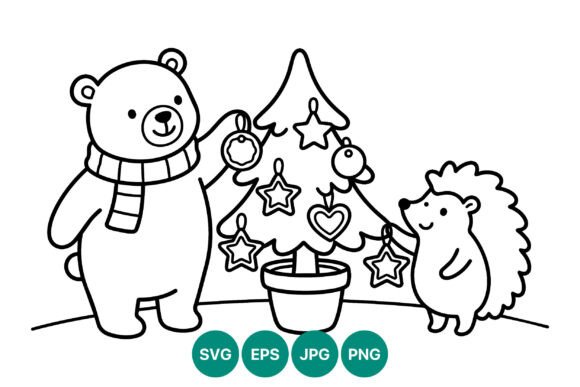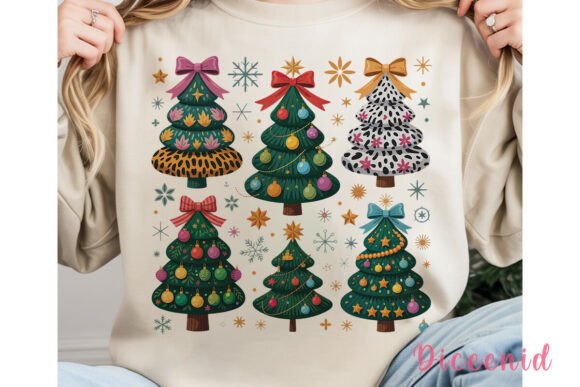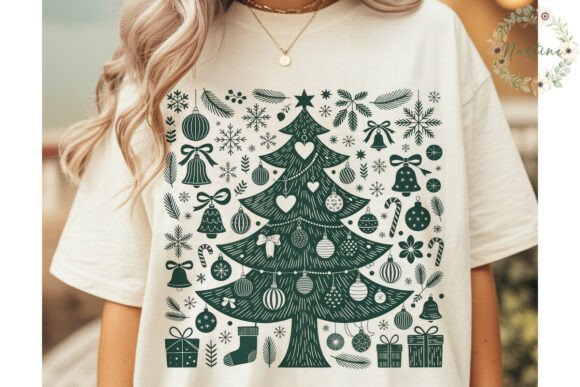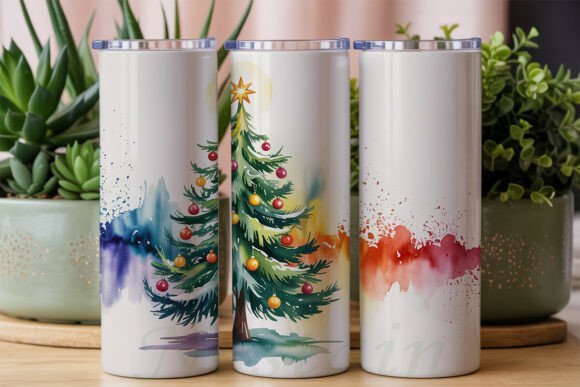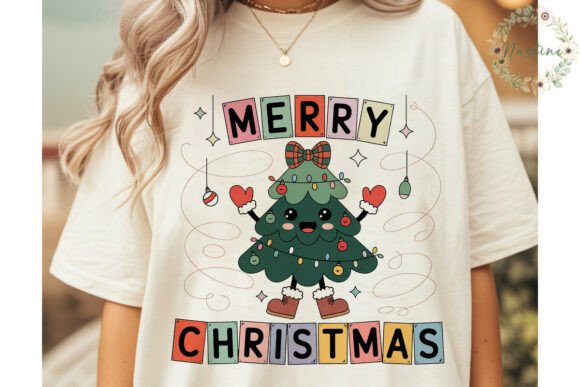
Cute Christmas Tree Sublimation Design: A Publisher’s Review of Seasonal Illustrations
In the world of digital publishing, visuals are not merely decoration; they are the primary interface between your content and your reader. As a blog designer who has spent years optimizing editorial layouts for traffic and engagement, I approach every new graphic design asset with a critical eye. Does it support the brand? Does it load quickly? Does it convey the right mood before a single word is read? Today, I am reviewing the Cute Christmas Tree Sublimation Design, a seasonal illustrations package that promises to bring warmth and whimsy to winter content strategies.
This review focuses on how this specific design fits into real-world publishing workflows, from affiliate marketing pages to newsletter headers, helping you decide if it deserves a spot in your design assets library.
First Impressions: Setting the Editorial Mood
The moment you preview the Cute Christmas Tree Sublimation Design, the editorial tone is established immediately. It leans heavily into a playful, lifestyle-focused aesthetic. Unlike stark, corporate holiday graphics, this design feels intimate and hand-crafted. For bloggers and content creators in niches such as home decor, parenting, crafting, or cozy lifestyle blogging, this visual language creates an instant sense of trust and comfort.
The "cute" factor is intentional. In content marketing, emotional resonance drives clicks. This design evokes nostalgia and joy, which are powerful drivers during the holiday season. It suggests that the content behind the image is accessible, friendly, and perhaps a bit indulgent—perfect for recipes, DIY projects, or gift guides. However, for serious professional niches like finance or B2B tech, this style might feel too decorative. It is best suited for brands that prioritize a warm, inviting brand identity.
Integrating the Asset into Your Publishing Workflow
A great creative design asset must be versatile. During my testing of the Cute Christmas Tree Sublimation Design within a simulated blog environment, I found several high-impact applications that align with modern web design standards.
- Pinterest Pins: The vertical format compatibility of this design makes it ideal for Pinterest. The soft colors and clear subject matter stand out against the busy grid of search results, improving click-through potential for holiday-themed articles.
- Newsletter Headers: Email open rates drop significantly if the visual context isn't clear. Using this design as a banner in December newsletters instantly signals seasonal relevance, increasing the likelihood that subscribers will engage with your offers.
- Blog Featured Images: When replacing standard stock photos with custom illustrations, you gain unique branding. This tree design can serve as a consistent background element for category thumbnails, helping readers visually navigate your site’s holiday section.
- Digital Products and Lead Magnets: If you sell digital guides, worksheets, or eBook covers, this asset adds immediate perceived value. It transforms a generic PDF into a polished digital product that feels curated and special.
- Social Media Graphics: For Instagram stories or Facebook posts, the clean lines and cute aesthetic allow for easy overlay of text. It works well as a base for quotes, announcements, or promotional codes.
Enhancing Content Performance and Visual Hierarchy
Why does this specific illustration matter for your bottom line? It comes down to visual hierarchy and consistency. When your website uses a cohesive set of design assets, readers subconsciously perceive the site as more authoritative and trustworthy.
By using the Cute Christmas Tree Sublimation Design across multiple touchpoints—from your website header to your affiliate marketing banners—you create a unified visual story. This repetition reinforces your brand identity. Furthermore, because the design is distinctively "cute" rather than generic, it helps your content stand out in a crowded feed. In affiliate marketing, where competition for attention is fierce, a unique visual style can be the differentiator that turns a passive scroller into a buyer.
Additionally, this asset supports better editorial design by providing a focal point. Instead of relying on heavy photography that may distract from the headline, this illustration acts as a supportive graphic element that guides the eye toward your call-to-action without overwhelming the layout.
Strategic Placement: Where It Shines and Where to Pause
To maximize the utility of this commercial design file, you must understand its limitations. Not every placement is created equal.
Optimal Use Cases
This design excels in larger formats where detail can be appreciated. Hero images on landing pages, full-width website headers, and large social media previews allow the subtleties of the illustration to show. It is also perfect for downloadable resources, such as printable calendars or coloring sheets, where the user interacts directly with the art.
Areas Requiring Caution
However, there are scenarios where this asset may fail. On small mobile thumbnails, the intricate details of a "cute" design can become muddy or indistinguishable. Always test how the image scales down. If the resolution is low, the "cute" factor can turn into pixelated noise.
Furthermore, avoid placing this design on busy backgrounds or over text-heavy areas. The visual weight of the tree needs breathing room. If your blog layout is already cluttered with ads, sidebars, and widgets, adding another decorative element can reduce readability and increase bounce rates. Also, exercise caution in serious professional contexts. If you are writing about tax law or industrial safety, a whimsical tree may undermine your credibility.
Practical Publisher Notes for Implementation
Before dropping this asset into your live site, follow these technical checks to ensure professional results:
- Screen Testing: View the design on both desktop and mobile devices. Ensure it maintains its aspect ratio and clarity across breakpoints.
- Thumbnail Preview: Zoom out to 10% size. Can you still identify the tree? If not, consider simplifying the caption or choosing a bolder variant.
- Typography Pairing: Test the design alongside various font styles. It pairs beautifully with rounded sans-serif fonts for a modern look, or script/handwritten fonts for a personal, crafty vibe. Avoid overly rigid serif fonts unless you are aiming for a specific retro contrast.
- Contrast and Readability: Place white or dark text boxes over the illustration to ensure your headlines remain legible. Accessibility is key for SEO and user experience.
- File Optimization: Check the file size. Large PNGs can slow down your web design performance. Compress the image using tools like TinyPNG before uploading to keep your page speed scores high.
- Licensing Verification: Most importantly, confirm your commercial license. Even if the asset is cheap, using it on monetized websites, affiliate pages, or paid products requires explicit permission. Ensure you have the rights to use it for small business branding and commercial distribution.
Final Verdict
The Cute Christmas Tree Sublimation Design is a strong addition to any publisher’s toolkit for the holiday season. It offers the perfect blend of charm and professionalism needed to elevate blog graphics and social media graphics. Whether you are creating a Canva template for your audience or updating your own site’s aesthetic, this illustration provides a reliable, engaging visual anchor. By integrating it thoughtfully into your content marketing strategy, you can enhance reader trust and drive meaningful engagement throughout the festive period.